
A Simple Guide to Choosing the Right UPVC Connector for Water Line Fitting
A good upvc connector can make a big difference in creating a secure, clean, and long-lasting plumbing system. Whether you’re installing a new water line, extending an existing pipe, or repairing a connection, choosing the right UPVC fitting is important.
At Dehran, we provide practical water-line and plumbing fitting solutions, including connectors and fittings designed for everyday plumbing requirements. The goal is simple: help you choose the right fitting for the job instead of wasting time and money on the wrong one.
Why Is a UPVC Connector Important for Water Lines?
Here’s the thing—pipes don’t always run in one straight line.
A home water system may need to turn a corner, join two pipes, reduce the pipe size, or create a branch for another water outlet. That’s where connectors and fittings come in.
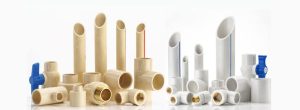
A UPVC connector is used to join or connect UPVC pipes and create a proper water-flow path. Depending on the plumbing design, you may need an elbow, tee, socket, reducer, or another type of UPVC fitting.
For example, imagine you’re installing a water line from an overhead tank to your kitchen. The pipe may need to change direction before reaching the tap. Instead of bending the pipe awkwardly, you can use the appropriate elbow fitting.
The right fitting helps make the installation cleaner and easier to manage.
Planning a water-line project? Start by identifying the type and size of connection you actually need.
How to Use a UPVC Connector for a Water Line
Using a connector isn’t complicated, but the installation should be done carefully. A poor connection can lead to leakage, weak joints, or unnecessary maintenance later.
Here’s a simple approach:
1. Check the Pipe Size
First, measure or confirm the diameter of your existing pipe.
Don’t assume that every plumbing pipe has the same size. A connector needs to match the pipe dimensions correctly.
2. Select the Correct UPVC connector
Now choose the fitting according to the job.
You may need:
- Socket/coupler: For joining two pipes in a straight line
- Elbow: For changing the direction of the water line
- Tee: For creating a branch from the main water line
- Reducer: When connecting pipes of different sizes
- UPVC connector: For making the appropriate pipe-to-pipe connection
Choosing the correct fitting is more important than simply choosing the cheapest option.
3. Prepare the Pipe
Cut the pipe cleanly and remove rough edges or burrs. The joining surfaces should be clean and properly prepared.
A messy pipe end can affect the quality of the connection.
4. Make the Connection
Fit the connector according to the fitting system and manufacturer’s recommended installation method. Make sure the pipes are properly aligned before the joint is finalized.
Don’t rush this step. A few extra minutes during installation can save you from dealing with a leak later.
5. Test the Water Line
Once the connection is complete, run water through the system and carefully check the joints.
Look for:
- Water leakage
- Loose connections
- Misalignment
- Unusual movement around the joint
If everything is secure, your water line is ready for regular use.
Need help selecting a suitable connector? You can explore our [water-line products and services]( [link to services] ).
Which Connector Is Best for a Water Line in Your Home?
There isn’t one fitting that’s best for every situation. The right choice depends on the pipe size, water-line layout, direction, and connection required.
Let’s make it simple.
Step 1: For a Straight Pipe Connection
If you simply need to join two pipes in a straight line, a UPVC socket or connector is generally the type of fitting to consider.
This is useful when extending an existing water line.
Step 2: When the Pipe Needs to Turn
If your water line needs to turn 90 degrees, a 90-degree elbow can help change the direction without forcing the pipe into an unsuitable bend.
This is particularly useful around walls, corners, tanks, and other fixed structures.
Step 3: When You Need a Branch
Suppose one main water line needs to supply two different areas of your house.
A tee fitting can create a branch from the main pipe, allowing the plumbing layout to serve multiple outlets.
Step 4: When Pipe Sizes Are Different
Sometimes an existing line and a new line aren’t the same size.
In that situation, a reducer fitting may be required to connect the different pipe sizes properly.
Step 5: Check the Application Before Buying
Before purchasing a UPVC connector pipe or other fitting, check:
- Pipe diameter
- Fitting type
- Connection method
- Water-line application
- Required quantity
- Installation location
A small mistake here can mean buying the wrong fittings and having to redo the work.
When in doubt, check the pipe size and fitting requirement before placing your order. Any other clarifications contact us
UPVC Connector vs PVC Connector Pipe: What Should You Choose?
People often search for terms such as UPVC fitting, UPVC connector, and PVC connector pipe when looking for plumbing components.
The important point is that the product should be selected based on the actual plumbing application and compatibility of the pipe and fitting—not simply because one name sounds better.
UPVC fittings are commonly used with UPVC piping systems, while PVC products can be used in applications designed for PVC systems. Always make sure the pipe and fitting are compatible before installation.
For a home water-line project, correct sizing and compatibility should come first.
Why Choose Dehran for Water-Line Fittings?
At Dehran, our focus is on providing practical products for water-line and plumbing requirements.
Instead of making the selection process unnecessarily complicated, we aim to help customers understand what type of connector or fitting they may need for their project.
Our product approach focuses on:
- Water-line connection requirements
- Plumbing fittings
- UPVC connectors and fittings
- Pipe connection solutions
- Different fitting requirements for home projects
- Practical product information
- Terrace garden irrigation
Whether you’re working on a small household repair or planning a larger water-line installation, selecting the right component is the first step toward a better result.
Explore more Click
Common Mistakes to Avoid When Installing Water-Line Fittings
Even a good connector won’t perform properly if the installation is careless.
Here are a few mistakes worth avoiding:
Using the wrong size:
A connector that doesn’t match the pipe can create installation problems and potential leakage.
Forcing the pipe into position:
Water lines should be properly aligned rather than pushed or bent excessively to make them fit.
Ignoring pipe cleanliness:
Dust, dirt, and rough edges can interfere with the connection.
Skipping the pressure or leakage check:
Always inspect the completed joints before considering the job finished.
Buying without checking compatibility:
A fitting should be suitable for the pipe and intended application.
A little attention during installation goes a long way.
FAQ
1. What is a UPVC connector?
A UPVC connector is a plumbing component used to connect UPVC pipes or create a required connection within a water-line system. The exact fitting depends on the type of connection needed.
2. Which UPVC fitting is best for a home water line?
It depends on the application. A socket can be useful for a straight connection, an elbow for changing direction, a tee for creating a branch, and a reducer for connecting different pipe sizes.
3. Can I use a PVC connector pipe with any water pipe?
Not necessarily. Pipe and fitting compatibility should always be checked before installation. Size, material, connection method, and intended application all matter.
4. How do I choose the correct UPVC connector?
Start by checking the pipe diameter and determining what the water line needs to do—join, turn, branch, or change size. Then select a compatible fitting.
5. Where can I find water-line and plumbing fittings?
You can check Dehran for water-line and plumbing fitting products and information. If you’re unsure which fitting is suitable, contact us before purchasing.
Final Thoughts: Choose the Right Connector, Build a Better Water Line
A water-line project doesn’t have to be complicated. The key is understanding what your plumbing system actually needs.
Choose the correct pipe size. Select a compatible UPVC connector. Use the appropriate UPVC fitting for the job. And always check the finished connection for leaks.
That’s the simple approach we follow at Dehran—providing practical water-line and plumbing fitting solutions that make product selection easier.